
Best Greece Tours: Beaches, Temples And Villages
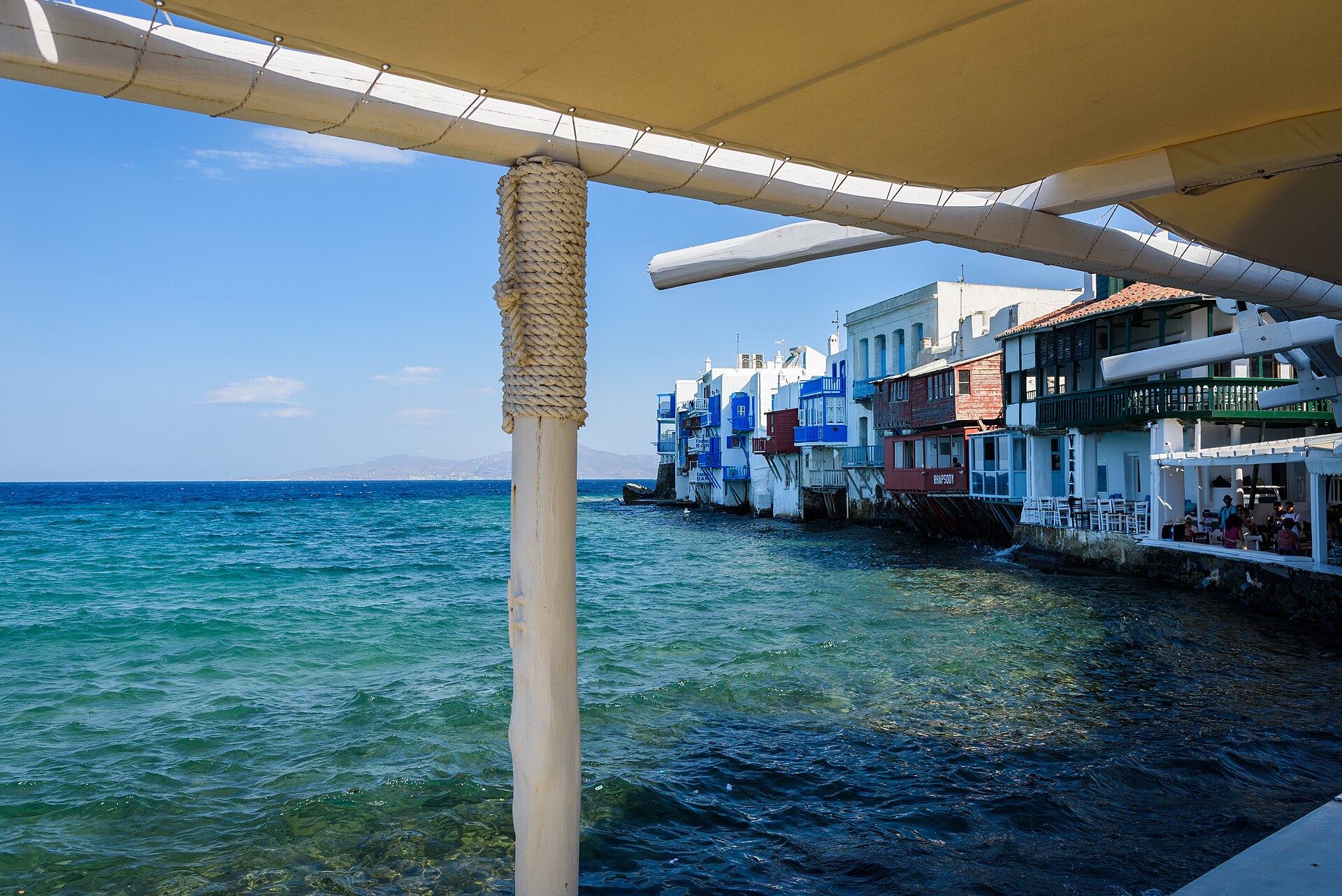
Greece packs ancient ruins, island beaches and hilltop villages into a small country. That is why Greece tours work for first-timers, couples, families, friends and solo travelers. A good tour turns a long wish list into a clear plan.
This guide from My Greece Tours walks through what to see, which trips travelers book and what comes with them. Read on for the classical sites, Athens, the big islands and the Aegean, plus tips that save time and effort.
Which Greece Tours In The Classical Sites Suit Every Traveler?
Tours in the classical sites suit every traveler, since the sights link by road and each style fits a different pace. Compare more choices on Greece tours and Tours In Greece before you choose your plan and your pace.
What should be on every list in the classical sites?
Delphi was a sanctuary where ancient Greeks came to ask the god Apollo for advice. Meteora is a collection of monasteries perched on towering rock pillars, with spectacular views. Mycenae is a hilltop fortress city with a famous lion gate.
Epidaurus has a theatre famous for its clear sound, and Nafplio is an attractive harbour town by the sea. Ancient Olympia is the birthplace of the Olympic Games. The canal at Corinth is a dramatic straight cut through the rock.
How are Greece tours set up in the classical sites?
Small tours with few travelers suit solo travelers and couples who like a personal feel and a calm pace. Full-day trips from Athens by coach suit first-timers and families who want a comfortable day with no driving or parking worries.
Guided walking tours suit curious travelers who love stories. Entry tickets suit friends and independent travelers who want to explore at their own pace. Multi-day tours with hotel nights suit anyone who wants Delphi and Meteora in a smooth trip.
Which services make Greece tours in the classical sites easier?
A licensed or local guide turns broken stones into stories and answers your questions, so the ruins are easier to follow. Guides also know the best photo spots and the peaceful corners that most visitors miss on their own.
Entry tickets are sorted before you arrive, so you spend less time in the ticket queue and more time inside. Hotel nights on multi-day trips let you rest between sites, so you reach each ruin fresh and never rush.
Which tricks save time in the classical sites?
Start early, because the sun is strong and the crowds grow by midday. Wear sturdy shoes and bring water, a hat, a snack and sunscreen for the open ruins.
Read the list of top archaeological sites in Greece first, then pick the ones you care about most. A short list beats a rushed day and tired feet.
Where Do Greece Tours Go In Athens?
Tours in Athens go to the Acropolis and the old streets below it. They also reach the sea, the food scene and the temple at Cape Sounion. See more ideas in this guide to Greece tours from Athens.
What should be on every list in Athens?
The Acropolis is the rock above the city, topped by the Parthenon and the Erechtheion with its famous stone maidens. The Acropolis Museum at its foot holds treasures found there. The Ancient Agora was the old marketplace and meeting place.
The Temple of Olympian Zeus shows how mighty the old temples were. Plaka and Monastiraki offer lanes, cafes and shops. Lycabettus Hill gives the best view over the city, and the Temple of Poseidon at Cape Sounion glows at sunset.
How are Greece tours set up in Athens?
Private tours come with a driver guide or a skipper, and a single fee covers the whole vehicle or boat. They suit families and friends who want their own pace. Boat cruises with swim stops suit couples and beach lovers.
Guided walking tours suit first-timers who want the story behind each stone. Cooking classes and wine tastings suit solo travelers and couples who like to taste the country, not just see it. Both fit a free afternoon.
Which services make Greece tours in Athens easier?
Many boat cruises include lunch or a BBQ meal, and some add drinks, sometimes unlimited, which keeps the day relaxed. Swim stops let you cool off in transparent water and turn a sightseeing day into a beach break.
A licensed or local guide answers questions, explains the past in plain words and offers suggestions on where to eat. Wine tastings let you sample local bottles and learn why each bottle tastes different, with a host at the table.
Which tricks save time in Athens?
Visit the Acropolis early or late, when the light is soft and the heat is lower. Bring a hat, water and comfortable shoes for the stone paths and steep steps.
Save Lycabettus Hill for the evening, so you watch the city lights come on. Walk Plaka and Monastiraki after dark too, when the lanes feel lively and cooler.
Which Greece Tours In Crete, Rhodes And Corfu Do Travelers Remember?
Travelers remember tours that mix old palaces, walled towns and boat trips, because these islands pair deep history with warm turquoise bays. Strong Greece tours here balance culture with beach time and leave room to relax between stops.
What should be on every list in Crete, Rhodes and Corfu?
Knossos is the palace of the Minoans, an early island people, and it sits near the city of Heraklion. Chania has a elegant Venetian port with old lanes and cafes. Balos lagoon has pale sand and shallow, clear turquoise water.
On Rhodes, the Street of the Knights runs through the walled old town. The acropolis of Lindos crowns a hill above the bay. Corfu has impressive old fortresses, and the Blue Caves of Zakynthos glow in a bright blue light.
How are Greece tours set up in Crete, Rhodes and Corfu?
Private tours with a driver guide or skipper suit families and friends, because a single fee covers the whole vehicle or boat. Boat cruises with swim stops suit couples and travelers who love the sea and easy days.

Full-day trips from Athens by coach suit first-timers who like a fixed plan. Cooking classes and wine tastings suit solo travelers and food lovers who want a taste of local life. They give you a story to tell.
Which services make Greece tours in Crete, Rhodes and Corfu easier?
Lunch or a BBQ meal on the water keeps energy steady, and drinks, sometimes unlimited, make a hot day easy. Swim stops give you a break in bays that look like postcards, with calm water for a dip.
A licensed or local guide brings the palaces and fortresses to life. Free time to explore lets you wander at your own pace. Wine tastings add a final treat of local flavor after a busy day.
Which tricks save time in Crete, Rhodes and Corfu?
Plan around the heat: see big sites early and save beaches for midday, when the sun is high. Pack sunscreen, a hat, a dry bag for your phone and a lightweight layer for the boat.
If you add another island to your plans, Paros offers a peaceful village atmosphere and slow, sunny afternoons after the busier stops.
Which Greece Tours In The Aegean Islands Give Good Value?
Tours in the Aegean islands give good value when the boat, the meal and the swim stops come together. Travelers then enjoy the whole day with no extra planning. Well-built Greece tours here also pair neatly with Greek island hopping.
What should be on every list in the Aegean islands?
Oia on Santorini is famous for its sunset and white houses above the sea. The volcano and its hot springs offer a walk and swim. Mykonos is loved for its beaches, and ancient Delos is a sacred island of ruins.
Sarakiniko on Milos has smooth white rocks that look like the moon. Naxos has a marble gateway, the doorway of an unfinished temple, standing by the sea. Lefkes is a mountain village on Paros with marble lanes and calm cafes.
How are Greece tours set up in the Aegean islands?
Private tours with a driver guide or skipper suit families and friends, since a single fee covers the whole vehicle or boat. Small tours suit solo travelers who like to meet people. Boat cruises with swim stops suit couples.
Full-day trips from Athens by coach suit first-timers short on time and eager for highlights. Snorkel and beginner scuba trips suit active travelers and teens. Cooking classes and wine tastings suit anyone who loves food and enjoys a hands-on break.
Which services make Greece tours in the Aegean islands easier?
Lunch or a BBQ meal on board means no hunt for a table, and drinks, sometimes unlimited, keep everyone cool. Swim stops turn a boat day into a beach day, with clear water right beside the boat.
Snorkel gear is ready when you arrive, so beginners can look at fish without buying anything or carrying heavy equipment. Wine tastings show how island sun and soil shape each glass, and each pour comes with a short story.
Which tricks save time in the Aegean islands?
Book sunset spots early and arrive before the crowds to claim a good view, with your phone charged. Pack a swimsuit, a towel and a light jacket for the evening breeze.
Wear sandals with reliable grip, since village lanes and boat decks can be slippery. Carry a refillable bottle of water, because island sun feels stronger than it looks.
Conclusion: Best Greece Tours, Planned Well
The best Greece tours blend big sights, easy travel and small comforts. Each region adds its own flavor. In the classical sites, Athens, the islands and the Aegean, each style fits a different traveler, from solo visitors to families.
Match your plan to your pace, then read this short guide to choosing the right Greek tour with confidence. With the right guide, boat or ticket, Greece feels effortless, and every day ends with a story to share back home.
Frequently Asked Questions About Best Greece Tours
Are Greece tours good value?
Yes, when a tour bundles the guide, meals and transport, because you skip many small bills along the way. Compare what each tour includes before you decide, and pick the plan that fits your day.
How early should you book Greece tours?
Reserve as soon as your dates are firm, and book earlier for summer weeks and sunset cruises. Popular dates sell out quickly, and the best boats and guides fill up early, so waiting costs you choice.
Do Greece tours include lunch?
Some tours include lunch or a BBQ meal, especially boat cruises, while others leave lunch to you. Check the inclusions list before you book so there are no surprises, and ask about drinks, meal times and diets too.
Can you change Greece tours after booking?
Many tours allow a new date or time if you ask in good time. Read the change terms first, then contact the host early and keep your booking details close at hand.
Do Greece tours include hotel pickup?
Some tours include hotel pickup, and others start at a meeting point. The booking page tells you which applies, so check it before you plan your morning, and note the meeting time and place.
Do Greece tours run in all weather?
Tours run in light rain, so pack a thin jacket, but hosts move boat days when the sea is rough. Safety comes first, so hosts offer another date or a new plan that still suits your day.
How do you find the meeting point for Greece tours?
Find the meeting point in your booking confirmation, which lists a named landmark, a map pin and a phone number. Save all three details on your phone before your Greece tours begin, since mobile signal can drop later.
Check the confirmation first
Most Greece tours send an email with the exact location and the start time, so read this information the night before.
Meeting spots near popular sites can be hard to see. A pin on your phone map solves this, and guides often hold up a sign with the tour name.
Take a screenshot of the pin and the telephone number, because mobile reception can fail in narrow lanes. Well organized Greece tours state the location clearly, so ask the operator if any detail seems unclear.
Reach the spot with time to spare
Arrive early, because the streets near the Acropolis and the ports become crowded very fast. Good timing also helps you avoid the Acropolis crowds before they build.
Some sites sell timed entry, so see whether you should buy Acropolis tickets in advance. Check if your booking already includes entry.
If you cannot find the guide, call the number on your confirmation and stay where the pin shows. Simple safety tips for Greece tourists also help in busy squares and crowded port areas.
Send the guide a short message on arrival, because a friendly hello helps the guide spot you in a busy crowd.
How do you decide between private and shared Greece tours?
Choose private Greece tours for full control of pace and topics, and shared Greece tours for lower cost and a friendly day. Both styles use the same sites and licensed guides.
What private tours give you
A private tour starts when you say, stops where you like and skips what bores you. Couples and families with young children especially value that freedom.
A private day costs more per person, yet the price feels fair when family or friends split it between them. The personalized private travel guide shows how these days are built, step by step.
Private days also suit special needs, such as slow walking, early naps for children or a deep focus on food. Ask for these when you book.
An experienced guide also adjusts the route when the weather or your energy changes.
What shared tours give you
Shared tours put you beside other travelers and keep the cost lower. Solo travelers enjoy them, because meeting new people is easy and the planning is already organized.
The pace is set for everyone, so the guide cannot stay long at each spot. Read about authentic experiences on Greek tours to see how the two styles compare.
Shared days also build friendships, since many travelers swap restaurant recommendations over lunch and later keep in touch.
Match your choice to your budget with these budget tips for Greece visitors, which explain how to spend well. Many Greece tours of both kinds offer fair value when you book early.
Why do guided Greece tours help?
A licensed guide explains what you see and helps with tickets and timing, so you can focus on the place. Only state-licensed guides are allowed to lead visitors inside Greek archaeological sites and museums.
Stories that bring ruins to life
A good guide turns old stones into people and events you can picture. At the Parthenon, the story of who built it and why makes the view richer.
Guides also explain Orthodox traditions, village life and the different foods on your plate. That context makes guided Greece tours more than a list of sights.
Questions are welcome on Greece tours, and a guide answers them on the spot. A sign or a phone app cannot do that.
Some stops need extra care, so read about visiting Greek monasteries to learn dress rules and quiet manners.
Local manners and customs
Guides show you how to greet people politely, share a table and dress appropriately for churches. This cultural etiquette guide covers the basics in plain words.
Feast days and name days shape village life across the country. The guide to Greek holiday customs explains how each season feels.
Information that guides share about history, religion and daily life makes every location more meaningful.
A local guide also teaches a few familiar words, like good morning and thank you, and locals answer them with warm smiles.
That welcome is a real gain on Greece tours. It turns a visit into an important shared moment with the people who live there.
How do you plan rest around Greece tours?
Follow each busy touring day with a lighter one, keep afternoons free for a swim or long lunch, and allow slow mornings. Rest keeps you sharp for the next stop on your Greece tours.
Build easy days into the plan
Summer temperatures are intense, so book early starts and rest in the shade at midday. Greek life slows in the afternoon, and visitors can do the same.
Leave evenings open for dinner at a traditional taverna. Greece tours with free evenings feel calmer and give you time to walk the old town.
Learn how to choose the right itinerary so that busy and quiet days stay in balance.
Drink plenty of water and carry a healthy snack, because simple habits like these prevent headaches and tired legs.
Pack and travel light
A small bag makes ferry days and hotel changes easier. The guide on how to pack light for island tours shows what to bring.
Bring a hat, sun cream, comfortable shoes and a refillable bottle, because these items protect your energy better than another stop.
Relaxation days also protect the enjoyment. Travelers who pause between big attractions enjoy Greece tours more and remember them better.
Give yourself a slow morning every few days of travel. Your best photographs often come from quiet moments that you did not plan.
Which Greece tours suit a relaxed trip?
Island stays, seaside village days and food outings suit a relaxed trip, because they offer short sights, long meals and free time. Slow Greece tours reward curious travelers.
Island and village days
Slow tours spend a single morning in a village and leave the rest of the day for the beach. Cycladic islands such as Naxos and Paros suit this style well.
Couples enjoy peaceful sunset walks, and families appreciate the shallow beaches and calm water. Parents can read these family-friendly Greece travel tips before booking.
Solo travelers find island life easy, because small towns are friendly and simple to walk. Relaxed Greece tours also leave space for naps, books and long sunsets.
Boat days suit this pace too. A calm sail to a quiet cove brings swimming, snorkeling and a simple lunch on deck.
Short walks to old chapels, harbors and viewpoints replace long coach drives. Comfortable sandals matter more than a heavy camera bag.
Food and conversation
Cooking classes, olive oil tastings and winery visits keep the pace comfortable and gentle. They also give you time to talk with local hosts.
Local markets are a pleasant way to spend a morning. Locals sell fruit, cheese, honey and herbs, and many stalls offer small tastes before you buy.
Learn a few words from essential Greek phrases for travelers, and hosts light up with a warm smile.
The guide to Greek food to try on tour explains what to order and how to eat like a local.
Long lunches with shared plates are part of Greek life. Greece tours with relaxed meals fit the culture and the traveler.
Which Greece tours suit a steady pace?
Tours with one main sight each morning and free afternoons suit a steady pace, such as Athens with a trip to Delphi. This rhythm fits many Greece tours and most travelers.
Morning sights, afternoon breaks
Start early to enjoy cooler air and calmer sites, then break for a long lunch. Walk, swim or rest in the afternoon, and finish with a relaxed dinner.
One strong sight per day gives you time to absorb what you see. The Acropolis, the theater at Epidaurus or the temple at Sounion each fill a morning well.
Steady Greece tours work well for first-time visitors, solo travelers, couples and friends alike. Check the best time to visit Greece for the right mix of weather and crowds.
Guides keep the information clear and the walking comfortable, so nobody feels rushed. Afternoon free time then feels like a reward.
Travel that stays simple
Trains and buses connect many towns, so you can move between destinations without stress. The guide to exploring Greece by public transport shows how.
A steady route avoids long daily transfers, so the bus ride becomes part of the view instead of a chore. Tours that use one base hotel for several days also cut packing time.
Join one village event, such as a name day feast, to add depth without rushing. The guide on how to experience local Greek traditions offers simple ideas.
Steady Greece tours also suit older travelers and children, because rest stops and shade are built into the day.
Which Greece tours suit a packed schedule?
Multi-stop tours with early starts, daily transfers and many sights suit a packed schedule and energetic travelers who like variety. Packed Greece tours trade rest for range.
Mainland circuits
A classic route connects Athens, Delphi and Meteora, with a different view every day. Each stop brings big stories and long walks, so wear sturdy shoes.
Monasteries at Meteora sit on tall rock pillars, so expect steps and strong sun. Pack water and a light jacket for cooler mornings.
Longer circuits add Olympia and Mycenae, with early starts and long drives between ancient sites.
Sleep early and eat well, because a full day of sightseeing needs real energy and attention. Short coffee breaks help you keep going.
Photographers and history lovers enjoy this style most, because every day on Greece tours offers a new landscape.
Island hopping
Island hopping fits several beaches and towns into one week, and ferry rides replace long drives. Use these tips for ferry travel in Greece to stay on schedule.
Seats sell out in busy months, so book early. These Greek ferry booking tips explain routes, seats and timing.
Anyone planning many stops for other people can also read a guide for organizers for extra planning help.
Pack for quick movements with a small bag and a light jacket for ferry decks. Fast Greece tours reward travelers who keep their plans flexible.
Keep a buffer morning in the plan, because strong winds can delay ferries and move every later stop.
Which Greece tours suit a mixed pace?
Mixed tours pair busy city days with slow island days, so you see the big sights and still rest by the sea. This balance suits couples, families and friends on Greece tours.
Busy first, calm after
Start in Athens while your energy is high, then fly or sail to an island for the relaxing part. Ending by the sea turns the trip into a real holiday.
Families like this order, because children recover on the beach after a day among ancient ruins.
Couples can mix a city museum morning with a sunset dinner above the harbor. Friends can pair mountain hiking with a lazy beach day.
Solo travelers meet others easily in Athens, then enjoy quiet time on a smaller island.
Match the pace to the season
Pick dates for your Greece tours with care, because seasons change the mood of the islands. Check seasonal events to see in Greece first.
Spring brings colorful wildflowers and mild temperatures, and autumn brings warm seas and fewer crowds. Summer suits beach days, while winter suits city culture.
Festivals add music, dancing and traditional food to any plan. The guide to Greek festivals to experience lists celebrations through the year.
Mixed Greece tours handle these events well, since slow days leave room for a spontaneous evening in the village square.
Which places do Greece tours visit?
Most Greece tours visit small island favorites, mainland sites rich in ancient stories, and large islands with beaches, mountains and old towns. Pick the mix that fits your time.
Islands
These Cycladic islands are Aegean favorites, and each one has its own mood. Some are lively and social, while others stay calm and quiet.
- Santorini, known for white villages perched above a flooded volcanic crater.
- Mykonos, known for windmills, lively nightlife, stylish shops and long sandy beaches.
- Naxos, known for wide beaches, mountain villages and a giant marble gate.
- Milos, known for colorful fishing huts, pale volcanic coastlines and clear water.
- Ios, known for sandy beaches, a hilltop old town and lively summer nights.
Mainland
On the mainland, stone ruins and mountain monasteries tell the story of ancient and Orthodox Greece. Athens makes a handy starting point for these stops.
- Athens, known for the Acropolis, the Parthenon, busy old streets and rich museums.
- Delphi, known for its ancient oracle, sacred ruins and a sweeping mountain view.
- Meteora, known for monasteries perched on tall rock towers high above the valley.
- Olympia, known for the ancient birthplace of the Olympic Games and its stadium.
- Mycenae, known for the Lion Gate and an ancient hilltop royal fortress.
Large islands
Larger islands offer more space, so one stay can include beaches, hikes, villages and history. A short drive or a local bus reaches quiet villages beyond the main town.
- Crete, known for deep gorges, ancient palaces, mountain villages and long sandy beaches.
- Rhodes, known for its medieval walled town, a grand castle and calm bays.
- Corfu, known for an elegant old town, Venetian forts and quiet olive groves.
- Kefalonia, known for Myrtos Beach, a cave lake and steep green hills.
How do you plan Greece tours over eight days?
Spend the first days of your Greece tours in Athens, add one mainland stop, then finish on an island. This order keeps travel short and the plan balanced. Eight days leave enough room for all three.
Start with Athens
Athens deserves the first days, because the Acropolis and the old streets set the story for the whole trip. A city base also makes arrival easy after a long flight.
The route in this Athens, Santorini and Mykonos itinerary shows how the capital opens a wider plan.
Museums in Athens hold the finest finds from sites you visit later, which makes the rest of the trip easier to understand.
Leave one evening free for a walk through the old neighborhoods. Street food, small shops and rooftop views make a gentle start.
Add a mainland stop
Delphi, Meteora or Olympia adds ancient or sacred places that the islands cannot match. Choose one, because each needs a full day for the drive and the visit.
Travelers who plan alone can use these tips on self-guided Greece itinerary planning to link the stop with trains or buses.
Guided Greece tours handle the drive for you, which leaves your energy for the sights.
Meteora and Delphi both reward an early start, because mountain roads are slow and the morning light is soft.
Wear sturdy shoes and bring water, since ancient sites have little shade and many steps.
Finish on an island
End the week on one island so you can unpack, swim and slow down. Switching islands too often wastes precious time on ferries.
Compare choices in this list of top Greek islands to visit and pick the mood that suits you.
Book ferry or flight seats early in busy months, and keep the last day free for packing and a final meal.
Beach days, boat rides and slow dinners feel well earned after the busy mainland days.
Naxos, Paros or Milos make calm choices for the final days, with easy beaches and friendly harbors.
More questions about Greece tours
These short answers cover the questions that travelers ask most about Greece tours. Each one is direct, practical and easy to use.
Are Greece tours suitable for wheelchair users?
Yes, Greece tours suit wheelchair users when you tell the operator your needs early, so routes, vehicles and entrances match. Old cobbled lanes, steep steps and hilltop ruins are harder, so ask for step-free alternatives and accessible transport.
What happens if weather cancels Greece tours?
The operator follows its stated policy and offers a new date, a similar tour or a refund. Strong winds stop ferries and boat trips most often, so read the weather terms before you book and again before you travel.
Can you thank a guide on Greece tours?
Yes, a warm thank-you is always welcome, and many travelers add a small tip as a sign of appreciation. Tipping is a personal choice, so give what feels fair for the service and the care you received.
Can you bring snacks on Greece tours?
Yes, bring light snacks and a refillable bottle for outdoor stops, but keep food away from museum rooms and archaeological sites. Most Greece tours also pause for a meal or coffee, so you will not go hungry.
Are Greece tours fine for people who walk slowly?
Yes, many Greece tours move at an easy pace with seat breaks, and guides adjust the walking to each visitor’s needs. Ask for a private or low-walking option if hills and steps worry you.
Can a family book a private boat on Greece tours?
Yes, families can book a private boat for a day on the water, with a skipper, swim stops and a relaxed lunch. Confirm life jackets for children, the route and the weather terms before you pay.
See more in Episkevestileoraseon:
